 By Mya Finn
Search for bidet installation cost and you’ll find numbers all over the map — some quoting a couple of hundred dollars, others well over a thousand. Both can be accurate, which is exactly the problem. The final figure depends heavily on what type of bidet you’re installing, what your existing bathroom already has in place, and who you hire to do the work. Understanding what actually drives that number, rather than anchoring on a single figure pulled from a random forum post, makes it much easier to budget realistically and spot a fair quote when one lands in your inbox.
This isn’t a fixture where price alone tells the story either. A cheap installation on the wrong bidet type, or a rushed job that skips a required backflow device, can cost more to fix later than it saved upfront. So before getting to the numbers, it’s worth understanding the categories they apply to.
The Three Categories That Determine Price
Almost every bidet installation cost estimate you’ll see breaks down into one of three product categories, and the gap between them is significant:
Manual bidet attachments and sprayers are the simplest option — a cold-water unit that fits under the existing toilet seat or a handheld spray connected to the cistern’s water line. No electrical work is involved, and for a straightforward installation with accessible plumbing, this is typically the fastest and least expensive job a plumber will quote.
Electric bidet seats replace the entire seat and lid with a powered unit offering warm water, heated seating and drying functions. Because these need both a compliant water connection and nearby electrical power, the job usually involves more time and, in older homes, may require an electrician as well as a plumber.
Full smart toilets — an integrated pan-and-seat unit designed as one piece — sit at the top of the cost range, since installation often means removing the existing toilet entirely and reworking the water and, in some cases, waste connections to suit the new unit’s footprint.
What Perth Homeowners Can Actually Expect to Pay
Labour costs vary by state, and Western Australia sits toward the more moderate end nationally. As a general guide for labour alone (excluding the cost of the bidet unit itself):
- Manual bidet attachment or sprayer installation: roughly $120–$220
- Electric bidet seat installation: roughly $350–$550
- Full smart toilet installation: roughly $600–$1,100
On top of labour, the unit itself adds a wide range depending on the model and brand — anywhere from under $100 for a basic manual attachment through to well over a thousand dollars for a premium electric seat or integrated smart toilet. Most licensed plumbers in Perth charge somewhere in the vicinity of $80–$180 per hour, with a call-out fee on top, so a job estimated at one to two hours will naturally sit at the lower end of these ranges, while anything requiring remedial plumbing work will push toward the higher end.
These figures are a starting point for budgeting, not a substitute for an actual quote. The only way to get an accurate number for your specific bathroom is to have a licensed installer look at the existing setup in person.
The Factors That Push a Quote Higher
A handful of specific conditions tend to be responsible for most of the gap between the low and high end of any cost range:
- No existing power point near the toilet. Electric bidet seats and smart toilets need power close by. If there isn’t a GPO within safe reach, adding one typically costs an extra $200–$400 and requires a licensed electrician in addition to the plumber.
- Older or non-standard plumbing. Homes with ageing galvanised pipework sometimes need remedial work before a new water connection can be made safely, which adds both time and materials cost.
- Backflow prevention requirements. Most bidet units need dual check valves or an air gap to prevent contamination of the drinking water supply under AS/NZS 3500.1. Some units include this built in; others need a separate device fitted, which can add $150–$400 depending on what’s required and whether council approval is needed.
- Pan or fitting incompatibility. If the bidet seat or unit chosen doesn’t match the existing pan’s bolt spacing or shape, either an adaptor kit or, in some cases, a full pan replacement becomes necessary — turning what looked like a simple seat swap into a bigger job.
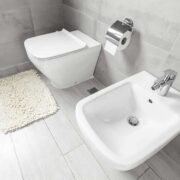
- Standalone bidet installations. A separate free-standing bidet fixture (rather than an integrated seat) needs its own hot and cold supply lines and drainage connection, which is a substantially bigger plumbing job than fitting a seat to an existing pan.
Why the Installer Matters as Much as the Unit
It’s tempting to treat installation as a commodity — find the cheapest quote, get the job done. For a bidet specifically, that approach carries more risk than it does for a simple tap or showerhead swap, because the compliance requirements are less widely understood among generalist tradespeople. An installer who fits bidets regularly will know, without being told, which pans a given seat is compatible with, what backflow prevention a specific model actually requires, and where a Perth home’s typical plumbing configuration is likely to cause a snag.
This is really the case for choosing experienced bidet installers rather than a general plumber who’s fitting their first one. It’s not that a licensed plumber can’t legally do the job — any licensed plumber can — it’s that familiarity with the specific product category tends to mean fewer surprises, faster quoting, and a job done right the first time rather than a return visit to fix a compatibility issue that should have been caught at the quoting stage.
Questions Worth Asking Before You Book
A short conversation before booking can save a lot of back-and-forth later. Worth asking any installer:
- Have they installed this specific bidet type or brand before, and do they know its pan compatibility requirements?
- Does the quote include backflow prevention, or is that a separate line item?
- If a power point is needed, do they coordinate with an electrician directly, or does that need to be arranged separately?
- What’s the expected time on site, and does the quote assume standard plumbing access or has that been confirmed against your actual bathroom?
- What warranty applies to the installation itself, separate from the manufacturer’s warranty on the unit?
Getting clear answers to these before work starts is the single best way to avoid a quote that balloons once the tradesperson is actually on site.
Is DIY Installation Ever a Realistic Option
For a basic manual bidet attachment, a confident DIYer can sometimes fit the unit themselves, since it typically just involves connecting to an existing cold water line via a T-piece valve — though checking your local plumbing regulations first is essential, since some jurisdictions require this work to be done or at least signed off by a licensed plumber regardless of how simple it looks. For anything involving a permanent water connection modification, electrical work, or backflow prevention devices, DIY isn’t a legal option in most of Australia — this work needs to be carried out by a licensed plumber (and electrician, where relevant) to meet Watermark and AS/NZS 3500.1 compliance. Beyond the legal requirement, there’s a practical reason to use a licensed professional anyway: getting the backflow prevention wrong risks contaminating the broader water supply, which is precisely the kind of mistake that’s expensive and disruptive to fix after the fact.
Comparing Quotes Properly
If you’re gathering a few quotes before deciding, it pays to check they’re actually comparable before ranking them by price. A quote that looks cheaper on paper but excludes backflow prevention, assumes an existing power point that you don’t actually have, or doesn’t account for pan compatibility issues will almost always end up costing more once those gaps surface mid-job. Ask each installer to itemise labour, the backflow device (if separate), any electrical work, and materials, rather than accepting a single lump-sum figure. It’s a lot easier to compare three itemised quotes than three bottom-line numbers that were built on different assumptions.
It’s also reasonable to ask whether the quote is fixed or subject to change once the plumber has physically inspected the site. A fixed quote based on a phone description alone carries more risk of a mid-job cost increase than one confirmed after an in-person assessment.
Is the Upfront Cost Worth It
Installation cost is only half of the value equation. Households that install a bidet — manual or electric — consistently report a meaningful drop in ongoing toilet paper spend, since a wash cycle replaces most or all of the paper that would otherwise be used per visit. Over several years, that saving alone can offset a reasonable portion of the initial installation cost, particularly for a larger household. Layer on the hygiene and comfort benefits, and for most people who’ve actually made the switch, the upfront cost stops being the deciding factor fairly quickly.
That said, cost-effectiveness depends on actually using the fixture regularly. A bidet installed in a rarely used guest bathroom will take much longer to “pay for itself” in paper savings than one installed in a bathroom the whole household uses daily — worth factoring in when deciding which bathroom to prioritise if budget means starting with just one.
Frequently Asked Questions
Does installation cost differ between a new build and a retrofit? Retrofits are usually more expensive than fitting a bidet during new construction or a full bathroom renovation, simply because a retrofit has to work around existing plumbing, tiling and power layouts rather than being planned in from the start.
Can I install a bidet myself to save on labour cost? For a basic manual attachment, some homeowners do — subject to local regulations, which vary and should be confirmed first. For anything involving backflow prevention or electrical work, licensed trades are required, and the compliance risk of getting it wrong outweighs the labour cost saved.
How long does a typical bidet installation take? A straightforward manual attachment can often be completed within an hour. Electric bidet seats commonly take one to two hours. A full smart toilet replacement, particularly where existing plumbing needs adjustment, can take half a day or more.
Bringing It Together
Bidet installation cost isn’t a single number so much as a range shaped by the product category you choose and the condition of your existing bathroom. Budgeting with the labour ranges above as a starting point, asking the right questions before booking, and choosing an installer who actually knows the category rather than treating it as a generic plumbing job are the three things that most reliably keep a quote close to what you actually end up paying.
For an itemised quote against your own bathroom’s plumbing and power setup, it’s worth going straight to a dedicated bidet installation service rather than a generalist tradesperson quoting the job for the first time.